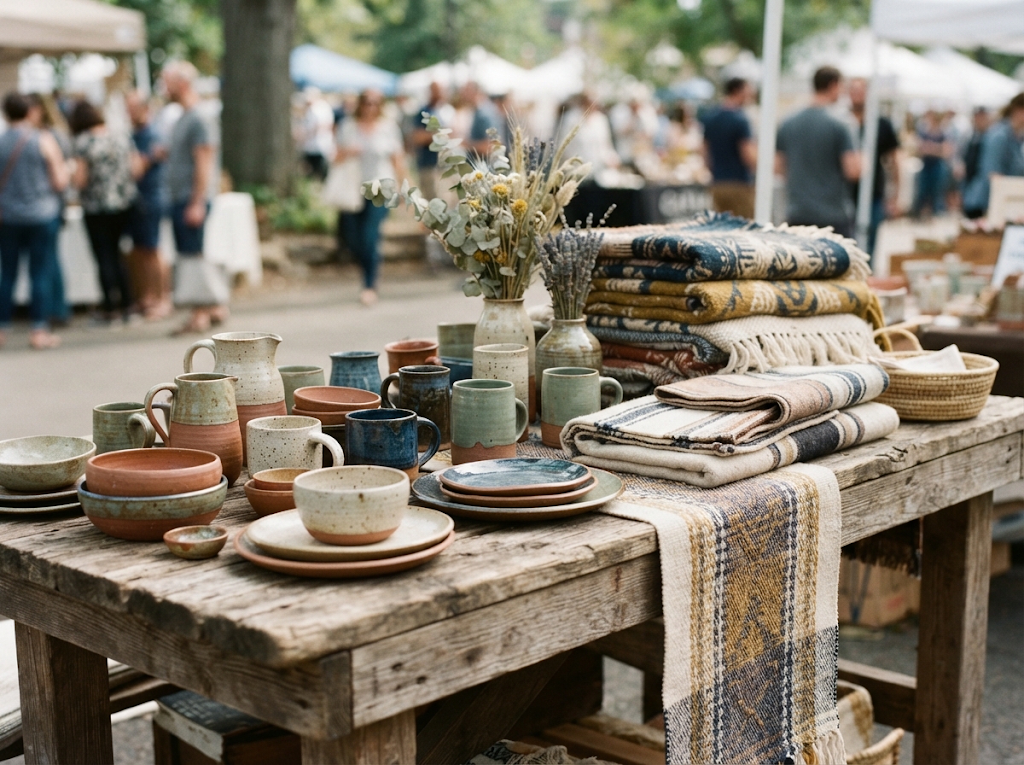
A hand-painted plate from Opishnia, a linen shirt with traditional embroidery, a hand-carved wooden box from the Carpathians: Ukrainian craft has found new customers online. Makers who once sold at village fairs now reach buyers in Canada, Germany, Britain and the United States through marketplaces and their own small shops. The craft travels well, but the story that gives it value often does not. A handmade object is bought for its story as much as for its shape, and a product page that tells that story clearly in English can double the interest in an otherwise identical item. This guide explains how Ukrainian makers and the people who support them can prepare English product pages, shipping information and customer communication.
What Makes Craft Special
Buyers want to know who made the object, where, how and why. They enjoy details about materials, techniques and regional traditions. A short note on the village, the workshop and the maker gives a face to the product and explains why the price is higher than for a factory item. Honest facts are better than vague romance, and photos of real work in progress are better than staged pictures.
Product Names and Descriptions
Product names should be short and easy to search. Use the English word that buyers type, and add the traditional name in brackets, such as an embroidered shirt called vyshyvanka. Descriptions should cover size, weight, material, colour, care and the time needed to make the piece. If each item is unique, say so, and explain that small differences are part of the craft.
Names, Techniques and Symbols
Ukrainian craft is full of regional names for patterns, stitches and glazing methods. Choose a stable English rendering for each term, and keep a glossary. Where symbols carry meaning, such as in embroidery or egg decoration, describe the meaning carefully and avoid invented folklore. The Ukrainian Institute offers background on cultural traditions at ui.org.ua, which can help check facts before you publish them.
Choosing the Language Partner
Makers rarely have time to write long texts in a second language. A provider offering english to ukrainian translation and the reverse can adapt shop texts, packaging inserts and customer messages, and can help with questions in both directions. Share photos and a short interview with the maker, so that the translator captures the voice of the person and not only the facts.
Shipping, Customs and Returns
International buyers worry about delivery times, costs and customs. Explain clearly which carriers you use, how long delivery takes, whether tracking is available and what happens if a parcel is delayed. Describe packaging for fragile objects. State return rules in simple terms, and mention who pays for shipping. Include customs information, since buyers may be asked to pay duty on arrival. For related reading on documents that follow people and goods across borders, see this article on translation for UK visa applications.
Photos, Captions and Alt Text
Photographs should show the item from several angles, in daylight, with a size reference such as a hand or a coin. Write captions in English that mention the material and the technique. Add alt text for accessibility, describing what is visible in plain words. Consistent photos build a recognisable shop.
Reviews and Messages
Buyers ask questions before they order, and quick, polite answers make a big difference. Prepare short replies for frequent questions: size, colour, delivery time, custom orders and care. Respond to reviews with thanks, and answer criticism calmly. Messages should be short and warm, avoiding machine-sounding phrases.
Custom Orders and Wholesale
Some buyers want a personalised item or a larger order for a shop. Write a simple page explaining how to request a commission, how long it takes, what a deposit is and how revisions work. For wholesale, prepare a short catalogue with prices, minimum order, packaging and lead time. Clear terms protect both sides.
Taxes, Payments and Platforms
Sellers must understand the rules for taxes and platform fees in each market. Seek advice from an accountant who knows international sales, and keep records in order. Payment instructions on your page should be accurate and match the options offered by the platform.
Support the Community
Many makers sell as part of cooperatives or with the help of non-profit organisations. Explain how the sale supports the maker and the community, and be specific about what portion of the price reaches them. Claims about impact should be accurate, since trust is easily lost.
Keep Improving
Review sales data and customer questions every few months. Update texts when a product changes and photograph new work in the same style. A tidy shop with clear English text lets the beauty of the craft speak for itself, and customers come back to tell their friends where the plate on their wall came from.
Festivals, Markets and Pop-Up Sales
Makers also sell at fairs and festivals abroad. Prepare a bilingual price list, a short story card for each product and a sign explaining the technique. Staff or volunteers at the stand should know a few key phrases in English, and should be ready to answer questions about materials, origin and care.
Gift Messages and Packaging
Many orders are gifts. Offer a short card with a warm message in English, and explain the meaning of a motif or the name of the technique in two sentences. Packaging inserts with care instructions and a thank-you note add value, and they are easy to translate once and reuse.